


The Best Email Flows for Dropshipping (Welcome, Abandon Cart, Post-Purchase)
Discover the best dropshipping email flows for welcome emails, abandoned cart recovery, and post-purchase follow-ups to increase conversions and customer loyalty.
.avif)

Email marketing remains one of the highest-ROI channels in ecommerce, and automated email flows make it even more powerful. Instead of sending one-time campaigns, dropshipping email flows automatically trigger messages based on customer actions—such as subscribing to your list, abandoning a cart, or completing a purchase. These automated sequences guide customers through the entire buying journey and help convert visitors into loyal buyers.
For dropshipping businesses, email flows are especially important because they help recover lost revenue, build trust with new customers, and increase repeat purchases. Automated email marketing flows can generate significantly higher engagement and conversions compared to regular promotional emails because they reach customers at the exact moment they are most interested.
In this guide, we’ll break down the three most important dropshipping email flows every store should implement:
- Welcome email flows
- Abandoned cart recovery flows
- Post-purchase email flows
You’ll learn how each flow works, what emails to include, and how to structure them to increase conversions and customer lifetime value.
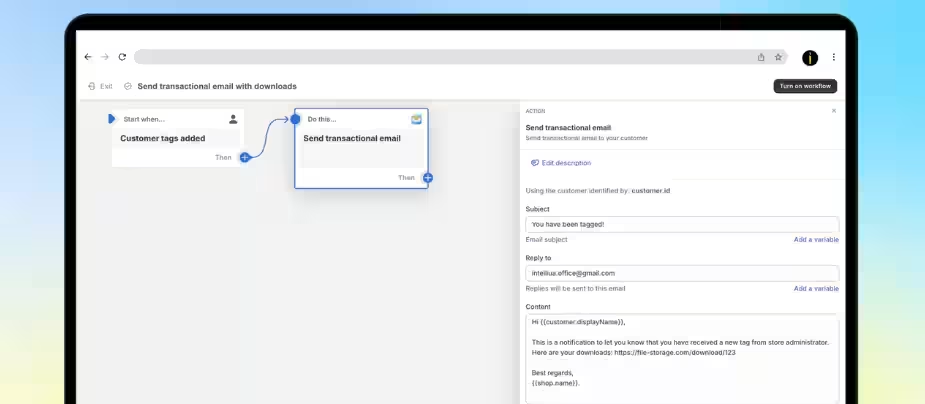
What Are Dropshipping Email Flows?
Dropshipping email flows are automated sequences of emails triggered by customer behavior or specific events. These sequences nurture potential customers, guide them through the buying journey, and encourage repeat purchases.
Instead of sending generic newsletters, email flows deliver personalized messages based on actions such as:
- signing up for your newsletter
- browsing products
- abandoning a cart
- completing a purchase
Because these emails are triggered by real-time behavior, they tend to perform significantly better than standard campaigns. Automation allows businesses to reach customers with the right message at the right time without manual effort.
For example:
- A welcome flow introduces your brand to new subscribers.
- A cart recovery flow reminds customers to complete their purchase.
- A post-purchase flow nurtures buyers and encourages repeat sales.
Together, these flows create a lifecycle email marketing system that continuously generates revenue for your store.
Why Email Flows Are Essential for Dropshipping Stores
Before diving into the specific flows, it’s important to understand why automated email marketing plays such a critical role in ecommerce growth.
Recover Lost Revenue
Many online shoppers add products to their cart but never complete the checkout. Abandoned cart flows help recover these lost sales by reminding customers about the products they left behind.
Improve Customer Retention
Email flows keep customers engaged with your brand even after the first purchase. This increases customer lifetime value and repeat purchases.
Build Trust and Brand Loyalty
Consistent communication through automated emails builds familiarity and trust, especially for new customers who may be hesitant to buy from an unfamiliar store.
Increase Conversion Rates
Because email flows are triggered by customer actions, they deliver highly relevant messages. This relevance leads to higher engagement and conversion rates.
The Three Essential Dropshipping Email Flows
While there are many types of ecommerce email automation, three flows are absolutely essential for dropshipping stores:
- Welcome email flow
- Abandoned cart email flow
- Post-purchase email flow
Each flow serves a different stage of the customer journey.
1. Welcome Email Flow
A welcome email flow is the first automated message sequence new subscribers receive after joining your email list or creating an account on your store. It’s an important opportunity to introduce your brand, highlight what makes your products unique, and guide new visitors toward their first purchase.
What Is a Welcome Email Flow?
A welcome email flow is triggered when someone subscribes to your email list or creates an account on your store. It’s the first interaction many customers have with your brand through email, making it one of the most important opportunities to build trust and encourage a first purchase.
Welcome emails typically achieve some of the highest open and click rates in email marketing because subscribers expect them immediately after signing up.
Goals of a Welcome Flow
The purpose of a welcome email sequence is to:
- introduce your brand
- highlight your value proposition
- encourage a first purchase
- build trust with new subscribers
For dropshipping stores, this flow also reassures customers about product quality, shipping expectations, and support availability.
Recommended Welcome Email Sequence
A strong welcome flow usually contains 3–4 emails spaced over several days.
Email 1 – Immediate Welcome
Timing: Immediately after signup
Purpose:
- thank the subscriber
- introduce the brand story
- offer a first-purchase incentive
Content ideas:
- brand introduction
- best-selling products
- discount code for first purchase
Example subject line: Welcome to [Brand Name] – Here’s 10% Off Your First Order
Email 2 – Product Discovery
Timing: 1–2 days after signup
Purpose:
- highlight popular products
- educate customers about product benefits
Content ideas:
- product collections
- customer testimonials
- social proof
Example subject line: Our Best-Selling Products Customers Love
Email 3 – Social Proof and Trust
Timing: 3–4 days after signup
Purpose:
- reduce purchase hesitation
- build credibility
Content ideas:
- reviews and testimonials
- influencer mentions
- user-generated content
Example subject line: See Why Thousands Love Our Products
Email 4 – Final Purchase Reminder
Timing: 5–7 days after signup
Purpose:
- remind subscribers about their discount
- create urgency
Example subject line: Last Chance to Use Your Welcome Discount
2. Abandoned Cart Email Flow
An abandoned cart email flow targets shoppers who added products to their cart but left the store without completing their purchase. This automated sequence reminds customers about the items they were interested in and encourages them to return and finish the checkout process. By highlighting product benefits, addressing common concerns, and sometimes offering a small incentive, abandoned cart emails help recover lost sales and convert high-intent visitors into paying customers.
Why Cart Abandonment Happens
Cart abandonment is one of the biggest challenges in ecommerce. Customers often add products to their cart but leave before completing checkout.
Common reasons include:
- unexpected shipping costs
- hesitation about the purchase
- distractions during checkout
Abandoned cart emails help bring these customers back to finish their purchase.
These emails are among the most profitable automated email flows because they target customers who already showed strong buying intent.
Recommended Cart Recovery Sequence
A typical abandoned cart flow includes three emails.
Email 1 – Friendly Reminder
Timing: 1 hour after abandonment
Purpose:
- remind the customer about their cart
- make checkout easy
Content ideas:
- image of the product left in the cart
- checkout button
Example subject line: Did You Forget Something?
Email 2 – Reinforce Product Value
Timing: 24 hours later
Purpose:
- address objections
- highlight benefits
Content ideas:
- product reviews
- key features
- customer testimonials
Example subject line: Customers Love This Product – Here’s Why
Email 3 – Incentive or Urgency
Timing: 48–72 hours later
Purpose:
- motivate purchase completion
Content ideas:
- discount code
- limited-time offer
- low-stock warning
Example subject line: Complete Your Order and Get 10% Off
3. Post-Purchase Email Flow
A post-purchase email flow is an automated sequence sent after a customer places an order, designed to reassure them, keep them informed, and encourage repeat purchases. These emails typically include order confirmation, shipping and tracking updates, product tips, and review requests—helping reduce support questions while strengthening customer trust. A strong post-purchase flow also creates opportunities to cross-sell related products, increase customer lifetime value, and turn first-time buyers into loyal customers.
Why Post-Purchase Emails Matter
Many ecommerce stores focus only on acquiring new customers, but the real profit often comes from repeat buyers. Post-purchase emails strengthen customer relationships and encourage additional purchases.
These emails can also reduce support inquiries by providing helpful order information and guidance.
Goals of a Post-Purchase Flow
Post-purchase emails aim to:
- confirm orders
- provide shipping updates
- request reviews
- recommend additional products
When structured correctly, they turn first-time buyers into repeat customers.
Recommended Post-Purchase Sequence
Email 1 – Order Confirmation
Timing: Immediately after purchase
Purpose:
- confirm order details
- reassure the customer
Content ideas:
- order summary
- shipping address
- support contact
Email 2 – Shipping Update
Timing: When the order ships
Purpose:
- provide tracking information
- reduce customer anxiety
Content ideas:
- tracking link
- delivery estimate
Email 3 – Product Education
Timing: 3–5 days after delivery
Purpose:
- help customers use the product effectively
Content ideas:
- product usage tips
- video tutorials
- FAQs
Email 4 – Review Request
Timing: 7–10 days after delivery
Purpose:
- collect customer feedback
- generate social proof
Example subject line: How Did You Like Your Order?
Email 5 – Cross-Sell Recommendation
Timing: 10–14 days after delivery
Purpose:
- recommend complementary products
Content ideas:
- related products
- personalized recommendations
Tools to Build Dropshipping Email Flows
Many email marketing platforms allow merchants to automate ecommerce email flows easily.
Popular tools include:
- Klaviyo
- Mailchimp
- Omnisend
- ActiveCampaign
These tools integrate with ecommerce platforms and automatically trigger emails based on user behavior. When using Spocket for product sourcing, combining reliable suppliers with strong email automation can significantly improve customer satisfaction and repeat purchases.
Best Practices for High-Performing Email Flows
Implementing email flows is only the first step. Optimization ensures better performance.
- Personalize Email Content: Use customer names, product recommendations, and behavior-based triggers to personalize messages.
- Keep Emails Mobile Friendly: Most ecommerce emails are opened on mobile devices, so design should be simple and responsive.
- Focus on Clear Call-to-Actions: Every email should have a clear action for the customer, such as - shop now, view your cart and track your order.
- Test Subject Lines Small improvements in subject lines can significantly increase open rates.
Email flows work best when customers trust the products and delivery experience. Working with reliable suppliers through Spocket helps reduce common issues such as shipping delays or product quality concerns.
When customers receive their orders on time and are satisfied with product quality, they are more likely to:
- leave positive reviews
- open future emails
- make repeat purchases
Combining reliable suppliers with effective email flows creates a stronger customer experience.
Conclusion
Automated dropshipping email flows are one of the most effective ways to increase revenue without increasing advertising costs. By guiding customers through every stage of the buying journey—from their first visit to repeat purchases—email automation helps build long-term relationships with shoppers.
The three most important flows every dropshipping store should implement are welcome emails, abandoned cart recovery, and post-purchase follow-ups. Together, these sequences create a continuous engagement system that nurtures new subscribers, recovers lost sales, and turns buyers into loyal customers.
When combined with reliable product sourcing through Spocket, these email flows help create a smoother customer experience and a more profitable dropshipping business.
Start your dropshipping business today
FAQs About Dropshipping Email Flows
What are dropshipping email flows?
Dropshipping email flows are automated email sequences triggered by customer actions such as signing up for a newsletter, abandoning a cart, or completing a purchase. These emails are designed to guide customers through the buying journey and keep them engaged with your brand. By delivering timely and relevant messages, dropshipping email flows help increase conversions and build long-term customer relationships.
Which email flows are essential for a dropshipping store?
The three most important email flows for a dropshipping store are welcome emails, abandoned cart recovery emails, and post-purchase emails. A welcome flow introduces new subscribers to your brand, abandoned cart emails recover lost sales, and post-purchase emails encourage repeat purchases. Together, these flows cover the key stages of the customer lifecycle.
How many emails should be included in an email flow?
Most email flows contain three to five emails spaced over several hours or days. For example, a welcome flow may include three emails introducing the brand and products, while a cart recovery flow typically includes two or three reminder emails. The goal is to maintain engagement without overwhelming the customer.
How effective are abandoned cart email flows?
Abandoned cart email flows are among the highest-performing email automations in ecommerce because they target shoppers who already showed purchase intent. These emails remind customers about the products left in their cart and often include incentives or social proof. Many stores recover a significant portion of lost revenue through these flows.
How can dropshipping stores improve email flow performance?
To improve email flow performance, focus on personalization, clear messaging, and strong calls to action. Segmenting customers based on behavior and sending relevant product recommendations can increase engagement. Combining these strategies with reliable product sourcing through Spocket also helps create a better customer experience that encourages repeat purchases.


Launch your dropshipping business now!
Start free trial


Related blogs
Dropshipping Supplier Directory: Where to Find Vetted Suppliers
Browse our directory of vetted dropshipping suppliers across the US and EU, complete with niches, shipping speed, and pricing. Start your free trial today.

How to Negotiate With Dropshipping Suppliers: 9 Tactics That Actually Work
Learn how to negotiate with dropshipping suppliers on price, MOQs, and payment terms. Proven tactics and email scripts to boost your margins. Try Spocket free.

Best Clothing Dropshipping Suppliers: The 2026 Guide
Compare the best clothing dropshipping suppliers for 2026 — US/EU shipping speeds, pricing, and product quality — and find the right fit to launch your store.
