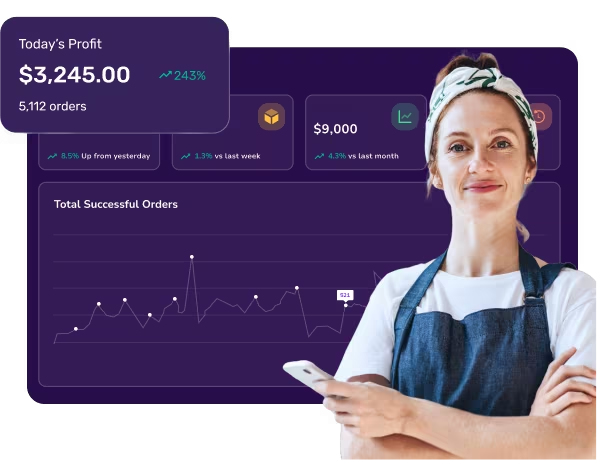
Rakuten Dropshipping Guide for Beginners (2026 Updated)
Want to start Rakuten dropshipping? This guide covers seller accounts, top products, and costs. Learn how to build a profitable store in 2026.


The e-commerce world is full of opportunities, and for beginners looking to tap into a rewarding market, Rakuten dropshipping offers a unique path. Unlike general marketplaces, Rakuten operates more like a high-end digital shopping mall where brands build their own storefronts. This model fosters trust and encourages higher spending, making it an attractive platform for dropshippers who want to move beyond competing on price alone.
If you are looking to start a business with a focus on quality and brand presentation, learning the ropes of this platform is your first step toward success in one of the world’s most lucrative online retail spaces.
What is Rakuten Dropshipping?
Rakuten dropshipping is a business model where you, the seller, list products on the Rakuten marketplace without holding any physical inventory. When a customer places an order on your Rakuten marketplace store, you purchase the item from a third-party supplier who then ships it directly to the customer. You are the intermediary, focusing on marketing, customer service, and sales, while your supplier handles the storage and logistics.
This model is particularly powerful on Rakuten because of the platform's structure. Unlike the unified product pages on Amazon, the Rakuten marketplace allows sellers to create branded storefronts. This means you can design a shopping experience that feels like a dedicated brand site, even though you are dropshipping. This is a significant advantage, allowing you to build customer loyalty and differentiate yourself from other sellers offering similar Rakuten dropshipping products.
Features of Rakuten
To succeed with Rakuten dropshipping, you must understand the tools and ecosystem that define the platform. It is not just a place to list items; it is a comprehensive environment designed to build long-term customer relationships.
The Power of Rakuten Points
One of the biggest drivers of sales on the platform is the Rakuten Points system. This is a loyalty program that rewards customers with points for every purchase, which they can then use as cash on future buys across the entire Rakuten global market. For dropshippers, this is a massive advantage. It incentivizes repeat purchases and increases customer lifetime value. When you sell on Rakuten, you are tapping into a network of over 1.1 billion registered users who are actively looking to earn and spend points, making them more likely to choose your store over an external website.
A Storefront, Not Just a Listing
One of the most distinctive features is the ability to customize your own store. On Amazon, all sellers of the same product compete on a single page. On Rakuten, each seller has their own "shop" with a unique URL and design within the marketplace. This means you can use high-quality images, tell your brand's story, and create a shopping experience that reduces the focus on price and increases the focus on value. This is crucial for dropshipping on Rakuten Marketplace because it allows you to justify higher price points through superior presentation.
Dedicated E-Commerce Consultant Support
For serious sellers, Rakuten provides a level of support that is rare in the e-commerce world. When you open a store, especially in key markets like Japan, you are assigned a dedicated e-commerce consultant. This expert works with you to analyze your sales data, improve your product pages, and plan marketing campaigns. They have a vested interest in your success because their performance is tied to the growth of your store. This guidance is invaluable for beginners who need help navigating the nuances of the platform and local consumer behavior.
Rakuten Pricing
Understanding the cost structure is vital for calculating your profit margins in Rakuten dropshipping. Unlike platforms with simple monthly fees, Rakuten operates on a model that combines upfront costs with performance-based commissions. For international sellers looking at the Japanese market, the initial investment is significant but reflects the quality of the traffic and support you receive.
Here is a breakdown of the typical costs associated with opening a Rakuten store:
- Initial Registration Fee: A one-time fee of 6,000 JPY to set up your account.
- Security Deposit: A refundable deposit of 50,000 JPY, held by Rakuten to cover any potential liabilities.
- Monthly Base Fee: The standard fee is 39,000 JPY for a six-month period (averaging 6,500 JPY per month).
- Sales Commission: This is a percentage of your monthly sales, typically ranging from 8% to 12%. This comprehensive fee includes charges for point usage, affiliate programs, and payment processing.
Most Popular Dropshipping Products on Rakuten
Choosing the right products is the cornerstone of a profitable Rakuten dropshipping business. The Rakuten customer base tends to value quality, authenticity, and unique items over the cheapest possible option. Based on sales data and trends, certain categories consistently outperform others, making them ideal for new sellers.
- Health & Beauty: Japanese skincare and cosmetics are world-renowned. Products like high-end serums, specialty face masks, and unique beauty tools are in constant demand, not just in Japan but internationally through Rakuten shopping online.
- Food & Specialty Snacks: There is a massive global appetite for Japanese snacks and culinary ingredients. Items like premium matcha, unique kitkat flavors, and high-quality dashi (soup stock) are popular. These products are lightweight and have a high perceived value, making them perfect for Rakuten dropshipping products.
- Home & Living: Japanese home goods are famous for their thoughtful design and efficiency. This includes high-quality kitchen knives, organizational tools, and traditional crafts like textiles and ceramics. These items often carry a higher price point, allowing for better margins.
- Stationery & Hobby Supplies: This category is a hidden gem. High-end pens like the FriXion line, specialized masking tapes, and fabric for quilting have a dedicated and passionate customer base worldwide.
Benefits of the Rakuten App
Managing a dropshipping business requires constant monitoring, and the Rakuten app makes this possible from anywhere. It is an essential tool for staying connected to your sales and market trends.
Here are the key benefits of using the Rakuten app for your business:
- Real-Time Sales Monitoring: The app allows you to track your orders and revenue as they happen. You can receive instant notifications for new purchases, which enables you to quickly confirm orders with your suppliers and maintain fast shipping times.
- In-Store Cashback Integration: A unique feature is the ability for you and your customers to link credit cards to the app to earn cashback on in-store purchases at partner retailers. This blurs the line between online and offline shopping, creating more value for your customer base.
- Mobile Offer Management: You can easily browse and clip coupons and deals directly from the app. This helps you stay competitive by seeing what promotions are trending and adjusting your own Rakuten dropshipping strategy on the go.
How to Make a Rakuten Seller Account
Setting up a seller account, especially if you are targeting the lucrative Japanese market, is a more involved process than on other platforms. Rakuten vets its sellers carefully to maintain the quality of its marketplace. The process is designed to ensure that only serious, legitimate businesses gain access.
The general pathway for international sellers involves several key steps:
- Pre-Application Preparation: You must have a registered company (typically established for over 3 years) and a team that includes Japanese-speaking staff for customer service and content creation. You will need to provide detailed business documentation, including proof of address and company registration.
- Submit Application: You will work with a Rakuten招商经理 or an approved agency to submit your application and all required documents, such as photos of your office and warehouse space.
- Account Setup and Fees: If your application is approved, you will receive your RMS (Rakuten Merchant Server) login details. You must then pay the initial setup fees, including the registration fee, deposit, and first six months of service fees, to activate your account.
- Store Building: With your Rakuten seller account active, you will work with a design consultant to build your storefront. Rakuten stores require detailed HTML customization, so this step is crucial for creating a professional appearance.
- Final Inspection and Launch: Once your store is built, Rakuten conducts a final review. After approval, you can officially log in with your Rakuten seller login and start selling.
Is Rakuten Legit?
For any new dropshipper, the safety and legitimacy of a platform are the primary concerns. When asking "is Rakuten legit" or "is Rakuten safe," the answer is a resounding yes, with specific caveats. Rakuten is a publicly traded company and one of the largest e-commerce entities in the world, dominating a significant share of the Japanese market. It is not a fly-by-night operation. However, because it is a legitimate and popular platform, it is often targeted by scammers impersonating the company. It is also a great way to earn supplemental income; you can check out other money earning apps here to see how other platforms compare.
To ensure you are interacting with the real Rakuten, always check that you are on an official website domain like rakuten.co.jp or rakuten.com. Be wary of unsolicited messages asking for payments or personal information. The real platform provides secure payment processing and data encryption to protect both sellers and buyers. Concerns like "does Rakuten sell your data" are addressed by their privacy policies, which comply with strict regulations like Japan's APPI, ensuring your information is handled responsibly.
Pros and Cons of Rakuten
Before diving into dropshipping on Rakuten Marketplace, it is essential to weigh the advantages and disadvantages. The platform offers incredible opportunities but comes with a higher barrier to entry than its competitors.
Rakuten Dropshipping Pros
- High Customer Loyalty: The points system creates a sticky ecosystem where customers return repeatedly.
- Brand Control: You own your storefront, allowing you to build a brand, not just a product listing.
- High Average Order Value: Customers on Rakuten are typically looking for quality and are willing to spend more, leading to better profit margins.
- Dedicated Support: Access to a personal e-commerce consultant provides a strategic advantage, especially for new sellers.
Rakuten Dropshipping Cons
- High Barrier to Entry: The costs and strict qualification requirements (including language and business history) make it difficult for absolute beginners to join.
- Resource Intensive: Running a store requires significant effort in content creation, customer service, and marketing. You cannot simply "set and forget."
- Operational Complexity: You are responsible for your own shipping times and customer experience, which can be challenging with international dropshipping.
- Long Onboarding: The process from application to going live can take months, requiring patience and capital.
Tips for Doing Rakuten Dropshipping Right
Success on this platform requires a strategic approach. You are not just competing on price; you are competing on experience. Here are practical tips to build a thriving business:
- Master the PDCA Cycle: Continuously Plan, Do, Check, and Act. Look at your numbers—traffic, conversion rates, and average order value—every week. If a product page isn't converting, change the images or copy. If traffic is low, adjust your keywords. Constant iteration is key to growth.
- Think Like a Local Brand: Localization goes beyond translation. Your product descriptions and images must resonate with the local culture. Use metaphors and references that the local audience understands. For example, instead of "fresh scent," use imagery like "a walk through a forest after rain" to create a connection.
- Focus on Conversion, Not Just Traffic: A beautiful store is useless if it doesn't sell. Invest in professional product photography that tells a story. Each image should convey a single benefit, like showing the product in use or highlighting a specific feature. This helps customers visualize the product in their lives and pushes them to buy.
- Use Marketplace-Specific Tools: Use Rakuten Ads and coupon campaigns to boost visibility. These tools are integrated into the platform and are highly effective for reaching active shoppers. Your e-commerce consultant can help you choose the right mix for your budget.
How to Avoid Rakuten Dropshipping Scams
While Rakuten itself is a secure platform, the world of e-commerce has its share of bad actors. As a dropshipper, you need to protect your business from scams involving fake suppliers, phishing attempts, and fraudulent orders.
Here are essential steps to protect your business:
- Verify All Supplier Communications: Be extremely cautious of unsolicited emails or messages offering deals that seem too good to be true. Scammers often impersonate legitimate suppliers. Always cross-check contact information on official websites and never communicate with suppliers outside of secure, verifiable channels.
- Use Official Platform Tools: Always log in to your Rakuten seller account by typing the official URL directly into your browser. Avoid clicking links in emails that claim to be from Rakuten support, as these can lead to phishing sites designed to steal your Rakuten seller login credentials.
- Secure Your Customer Data: Familiarize yourself with Rakuten's data security policies. Understand how transactions are processed and ensure you are not storing sensitive customer information in unsecured locations. A legitimate platform like Rakuten provides secure gateways for payments, so you should never ask customers for payment details via email.
- Be Wary of "Too Good to Be True" Orders: If you receive a large order from a new customer with suspicious shipping details, it could be a scam. High-value orders can sometimes be placed with stolen credit cards. Follow Rakuten's seller protection guidelines and verify suspicious orders before shipping.
Conclusion
Starting your journey with Rakuten dropshipping is not the easiest path in e-commerce, but for those willing to invest the time and resources, it is one of the most rewarding. The platform's emphasis on quality, brand-building, and customer loyalty creates an environment where diligent sellers can build sustainable, profitable businesses. By understanding the costs, respecting the culture, and utilizing the unique tools available—from the points system to dedicated consultant support—you position yourself for long-term success.
Whether you are focusing on the domestic US market or the massive potential of the Rakuten global market, the principles of quality, service, and continuous improvement remain the same. Take the time to do it right, and you can build a store that stands out. Use Spocket to dropship trending dropshipping products today!
Start your dropshipping business today
Rakuten Dropshipping FAQs
Is Rakuten available in India for dropshipping?
While Rakuten is available in India for shopping through their global express service, selling directly on the primary Rakuten platforms (like Rakuten Ichiba in Japan) requires a registered business entity, often with a local presence. Indian sellers typically need to go through Rakuten's international expansion programs or partner with local agencies to navigate the Rakuten seller registration process.
Does Rakuten sell your information to third parties?
Rakuten has a comprehensive privacy policy that complies with international data protection laws. They use your data to improve services and for marketing within their ecosystem, but they do not arbitrarily sell your personal information to outside companies. You can adjust your privacy settings in your Rakuten seller account to limit data usage.
Why is Rakuten so cheap compared to other retailers?
When you see items listed cheaply on Rakuten, it is often because individual sellers on the marketplace set their own prices. Some sellers may be running promotions, clearing out stock, or using dynamic pricing to stay competitive. However, the platform as a whole is known for quality, not just the lowest prices.
Is Rakuten an American company?
Rakuten is not an American company; it is a Japanese multinational corporation based in Tokyo. While Rakuten is in the USA with a significant presence (Rakuten.com and Rakuten Advertising), its core e-commerce operations are deeply rooted in the Japanese market. Understanding this Japanese origin is key to understanding the platform's culture and business practices.
What payment modes does Rakuten accept for sellers?
Rakuten supports several Rakuten payment modes for sellers to receive their funds. This typically includes bank transfers to a corporate bank account. For international sellers, they often integrate with global payment providers like PingPong or WorldFirst to facilitate easy and compliant currency conversion and payout.
Can I use cash back websites like Rakuten for my business?
Yes, many sellers use cash back websites like Rakuten (the cashback portal) to earn money on their business purchases, such as buying office supplies or software. This is separate from selling on the marketplace. It is a smart way to get a little money back on expenses needed to run your Rakuten dropshipping business.


Launch your dropshipping business now!
Start free trial.avif)


Related blogs
Dropshipping Supplier Directory: Where to Find Vetted Suppliers
Browse our directory of vetted dropshipping suppliers across the US and EU, complete with niches, shipping speed, and pricing. Start your free trial today.

How to Negotiate With Dropshipping Suppliers: 9 Tactics That Actually Work
Learn how to negotiate with dropshipping suppliers on price, MOQs, and payment terms. Proven tactics and email scripts to boost your margins. Try Spocket free.

Best Clothing Dropshipping Suppliers: The 2026 Guide
Compare the best clothing dropshipping suppliers for 2026 — US/EU shipping speeds, pricing, and product quality — and find the right fit to launch your store.