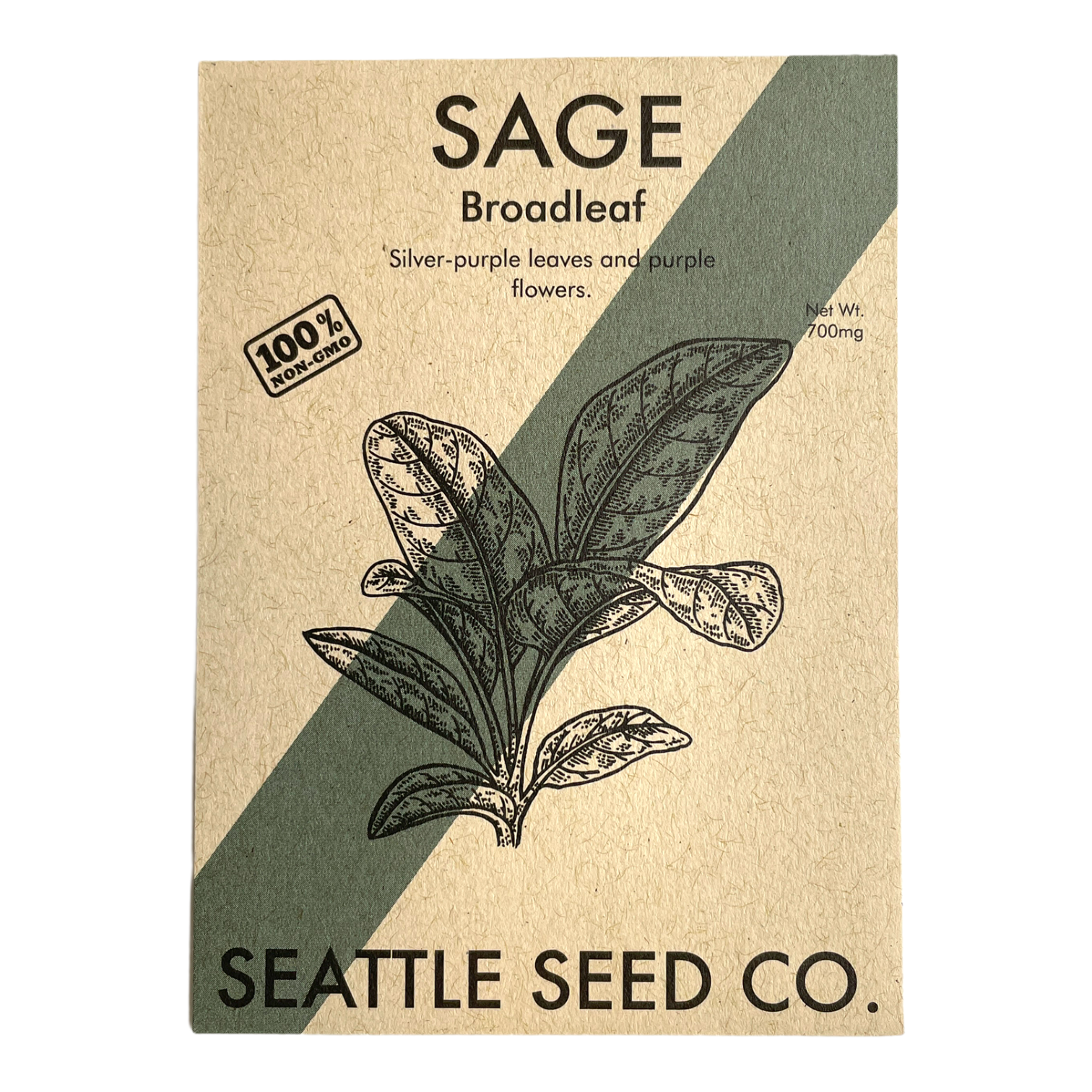
Dropship Sage - Broadleaf
100.0% of buyers have recommended this.
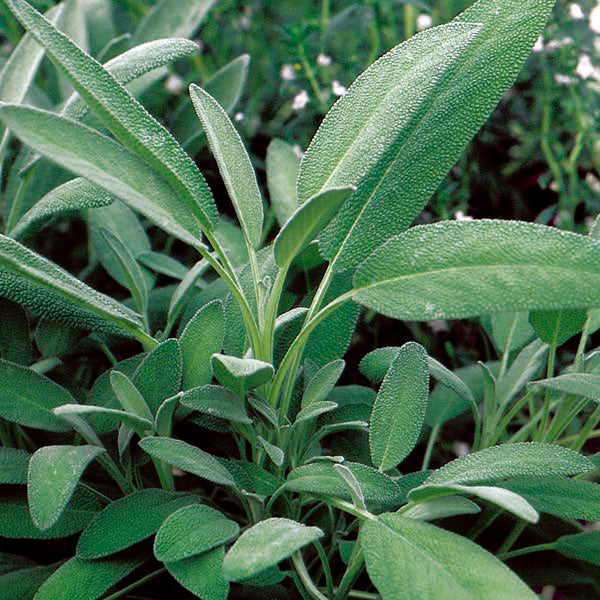
Fragrant grey-green leaves
Ideal for soups and stuffing
Grows well in full sun
Requires good drainage
Perennial herb, easy to maintain
Product description
Sage - Broadleaf, scientifically known as Salvia officinalis, is a delightful perennial herb that boasts lovely fragrant grey-green leaves. These aromatic leaves are not only a culinary delight but also a beautiful addition to any garden. Sage is commonly used in various dishes, including soups, stuffing, and meat preparations, making it a staple herb in many kitchens.
Growing Sage - Broadleaf
To cultivate Sage - Broadleaf successfully, it is essential to start the seeds indoors between mid-February and mid-April. This method ensures a more reliable germination process, especially when using bottom heat to maintain optimal soil temperatures between 15-21°C (60-70°F). The seeds typically sprout within 2 to 3 weeks. When planting, sow the seeds about 3mm (1/8″) deep and keep the soil just moist, avoiding overwatering.
Once the seedlings are ready, they can be transplanted outdoors or direct sown starting mid-April. It is crucial to thin the plants to a spacing of 45-60cm (18-24″) apart to allow for proper growth. Sage thrives in full sun and average soil conditions, making it an excellent choice for gardeners looking for low-maintenance herbs.
Soil and Drainage Requirements
A healthy Sage plant requires very good drainage to prevent root rot. Raised beds are particularly beneficial for growing Sage, as they provide the necessary drainage and soil aeration. The soil should be loose and fluffy, allowing excess water to escape easily. When planting, it is advisable to work in some compost to enrich the soil, but avoid adding fertilizer, as Sage prefers a more natural growing environment.
Plant Characteristics
Sage - Broadleaf is a hardy plant that can grow in USDA zones 4 to 5 and warmer. While it is not a long-lived plant, it can thrive for several years with proper care. To maintain its vigor, it is recommended to divide the plants every three to four years. Sage can reach heights of 12-24 inches, but its stems tend to be more floppy than upright. Over time, the stems become woody, and the leaves can be semi-evergreen or evergreen in warmer climates.
During the spring and early summer, it is beneficial to pinch the tips of the Sage plant several times. This practice helps to slow the formation of flower buds, allowing the plant to focus its energy on producing lush foliage. Harvesting Sage when the leaves are young ensures the best flavor and aroma.
Watering and Sunlight Needs
Sage loves sun and hot weather, making it an ideal herb for warm climates. It is important to let the soil dry out a bit between waterings, as Sage prefers drier conditions. Overwatering can lead to root rot, which can be detrimental to the plant's health. By providing the right balance of moisture and sunlight, gardeners can enjoy a bountiful harvest of Sage leaves.
Culinary Uses of Sage
The culinary uses of Sage - Broadleaf are vast. Its fragrant leaves can be used fresh or dried, adding a unique flavor to various dishes. Sage is particularly tasty in stuffing blends, making it a popular choice for holiday meals. It pairs well with eggs, cheese, poultry, and pork, enhancing the overall taste of these dishes.
In addition to its culinary applications, Sage has a rich history of use in traditional medicine. It has been valued for its potential health benefits, including its anti-inflammatory and antioxidant properties. Incorporating Sage into your diet can provide not only flavor but also potential health advantages.
Overall, Sage - Broadleaf is a versatile herb that is easy to grow and maintain. Its fragrant leaves and culinary versatility make it a must-have for any herb garden. Whether you are a seasoned gardener or a beginner, Sage is an excellent choice for adding flavor to your dishes and beauty to your garden.
Get started