15 Secret Websites to Make Money in 2026
Secret websites to make money in 2026: 15 legit, lesser-known sites for paid studies, renting out space, selling digital work and cash back, and how to start.


The best "secret" websites to make money aren't hidden at all. They're legitimate platforms most people haven't tried: Prolific and Respondent for paid research, Neighbor and Turo for renting out space or a car, Gumroad and Adobe Stock for selling digital work, and Rakuten for cash back on shopping you already do. None of them will replace a salary on their own, but several pay reliably and a few can grow into a real side business.
Below are 15 secret websites to make money in 2026, grouped by what you bring (time, stuff, skills or space), with the actual fees, payout minimums and payment methods each one publishes. We left out anything that charges a joining fee or can't show how it pays.
Secret websites to make money: quick comparison
| Website | What you do | How you're paid | Key fee or minimum | Best for |
|---|---|---|---|---|
| Prolific | Academic and AI research studies | PayPal | Cash out from £6 / $6 | Spare 10-minute blocks |
| UserTesting | Record feedback on websites and apps | PayPal, about 14 days after a test | No signup fee | People who think out loud well |
| Respondent | Paid interviews and focus groups | Incentive set by the researcher | 5% processing fee ($1 minimum) | Professionals with niche jobs |
| Google Opinion Rewards | Very short surveys | Play credit (Android) or PayPal (iOS) | $2 minimum on iOS | Pocket change, zero effort |
| Neighbor | Rent out garage, driveway or storage space | Host payouts from each rental payment | 4.9% + $0.30 per payment | Homeowners with unused space |
| Turo | Rent out your car | Host share of each trip | You keep 70%, 80% or 90% | Car owners near airports or cities |
| Peerspace | Rent your space for shoots and events | Payout within 7 days of booking | 15% to 20% service fee | Photogenic homes, studios, lofts |
| Etsy | Sell handmade, vintage or digital items | Etsy Payments | $0.20 listing + 6.5% + processing | Makers and designers |
| Gumroad | Sell templates, guides, presets | Payouts to your bank or PayPal | 10% + $0.50 per direct sale | Anyone with a useful file |
| Adobe Stock | License your photos, videos, illustrations | PayPal or Skrill | $25 payout minimum | Photographers with a back catalog |
| Poshmark | Resell clothes and accessories | Direct deposit | $2.95 under $15; 20% above | Closet clear-outs |
| eBay | Sell almost anything you own | Bank payouts | Final value fee varies by category | Electronics, collectibles, parts |
| Fiverr | Sell a fixed-price service | Withdraw after clearance | Fiverr keeps 20% | Designers, writers, editors |
| Rakuten | Cash back when you shop online | Quarterly check or PayPal | Paid when balance is $5.01+ | Anyone who shops online |
| Your own store | Dropshipping or print-on-demand | Your payment processor | Platform and app costs | People who want a business, not gigs |
Get paid for your opinion and attention
The easiest secret websites to make money from pay for a few minutes of your time. Earnings are modest and depend on how often you match a study's profile, but the payouts are real and fast.
1. Prolific
Prolific connects universities and AI companies with people willing to take studies: surveys, decision games, and increasingly tasks that evaluate AI model responses. It's the best-paying survey-style site because Prolific sets a pay floor. Its researcher guidance requires a minimum of £6 / $8 per hour and recommends £9 / $12, measured on how long participants actually take. You can cash out to PayPal once your balance hits £6 or $6, once every 24 hours.
The catch: there's often a waitlist, and studies fill in minutes. Keep a browser tab open and enable notifications.
2. UserTesting
Companies pay to watch real people use their websites and apps. You record your screen and voice while completing tasks and saying what you think. UserTesting's help center lists $10 for a typical 15 to 20 minute test and $30 for a 30-minute live conversation, paid through PayPal about 14 days after the test. You'll need a working microphone and the ability to explain your reactions clearly. Test availability varies a lot by demographic, so treat it as a top-up, not a schedule.
3. Respondent
Respondent is the higher-paying cousin of survey sites. Researchers recruit for interviews and focus groups, often with professionals in specific roles (IT buyers, nurses, small business owners, software engineers). The incentive is listed upfront for each study, and Respondent deducts a 5% processing fee with a $1 minimum. If your job title is in demand, a single one-hour interview can pay more than a month of surveys elsewhere. Be honest in screeners; inconsistent answers get accounts removed.
4. Google Opinion Rewards
Google sends short surveys, often one or two questions about places you've visited or things you've bought. Android users earn Google Play credit; iPhone users earn cash paid through PayPal once they reach $2. Expect cents per survey. It's worth installing because it costs nothing, but don't expect more than a few dollars a month.
Rent out what you already own
Renting assets usually pays better per hour than surveys, because you're not trading time. Check your lease, HOA rules and insurance before listing anything.
5. Neighbor
Neighbor is a marketplace for storage: people rent your empty garage, basement, driveway or barn to store boxes, cars, boats or RVs. Listing is free; Neighbor takes a processing fee of 4.9% + $0.30 from each payment. A covered garage space near a city or an RV pad in a suburb with HOA parking restrictions are the listings that fill fastest.
6. Turo
Turo lets you rent your car to travelers and locals. Your earnings depend on the plan you pick. Turo's US earnings plans pay hosts 70% of the trip price with $250 damage responsibility, 80% with $1,500, or 90% with $2,750. The 90% plan looks best on paper, but one minor accident can wipe out months of extra earnings.
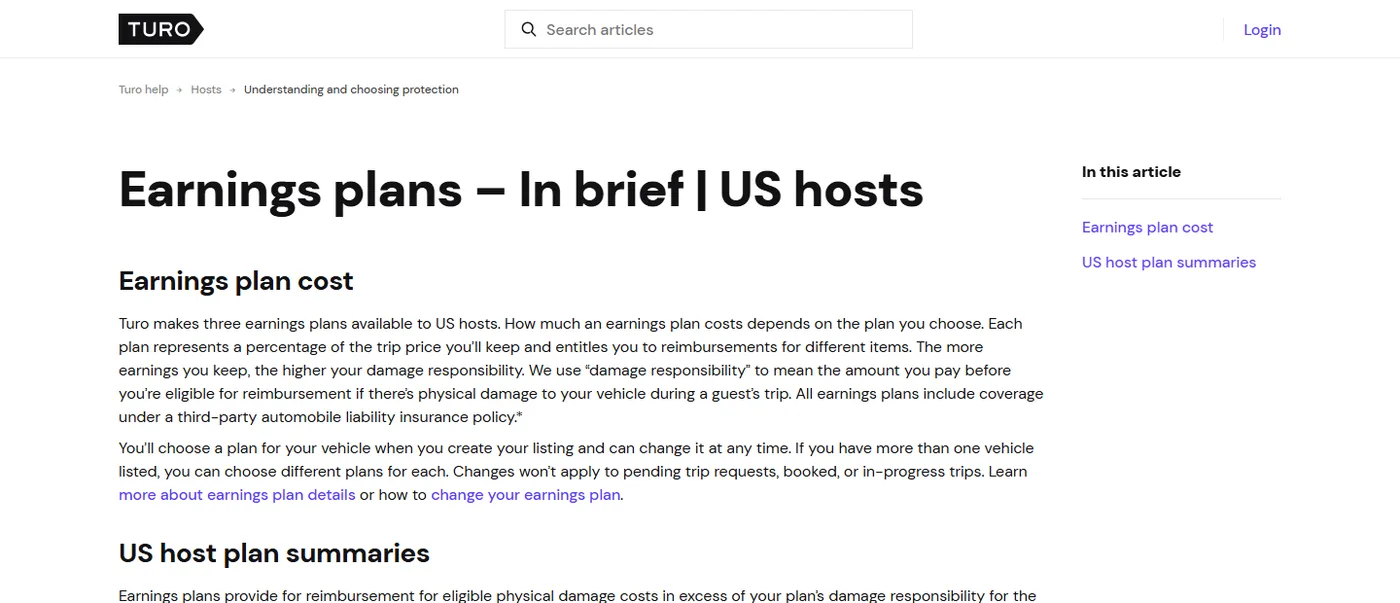
Worked example: a car that rents for $60 a day, booked 10 days a month on the 80% plan, earns $480 before fuel top-ups, cleaning, depreciation and loan payments. Run that math on your own car before listing.
7. Peerspace
Peerspace rents homes, lofts, studios and gardens by the hour for photo shoots, meetings and small events. Its help center lists a host service fee of 15% to 20% depending on location and hosting history, with payouts processed within 7 days of the booking date. Spaces with good natural light, interesting interiors or a backyard do best. If you live in a city with a production industry, this is one of the more lucrative secret websites on the list.
Sell what you make
These platforms take a cut, but you set the price and keep the customer relationship.
8. Etsy
Etsy is known for handmade goods, but digital products such as planners, printables and templates sell well too, with nothing to ship. US sellers pay a $0.20 listing fee, a 6.5% transaction fee on the order total and payment processing of 3% + $0.25. Etsy also runs offsite ads that charge a commission on sales they generate. Price with all of it in mind.
9. Gumroad
Gumroad is the simplest way to sell a file: a Notion template, a Lightroom preset pack, an ebook or a short course. There's no monthly fee. Per its pricing page, Gumroad takes 10% + $0.50 on sales through your own links and 30% on sales made through its Discover marketplace. On a $20 template sold through your link, you'd keep $17.50 before any card processing.
10. Adobe Stock
If you have a library of decent photos or video clips, Adobe Stock licenses them to designers and marketers. You can request a payout once you've earned $25 and at least 45 days have passed since your first sale, paid through PayPal or Skrill. Commercial subjects such as office scenes, food and everyday objects tend to sell more than sunsets.
Sell what you own
11. Poshmark
Poshmark is a resale marketplace for clothes, shoes, bags and home goods. For US sales, Poshmark takes a flat $2.95 on items under $15 and 20% on items of $15 or more, and buyers pay a flat shipping rate with a prepaid label. Brand-name items in good condition sell fastest.
12. eBay
eBay isn't secret, but plenty of people still underuse it for electronics, collectibles, car parts and anything niche. Fees vary by category, so estimate your take-home with Spocket's eBay fees calculator before you list. Our guide to eBay Seller Hub covers the seller tools, and we've compared more websites to sell items online for free if you want other options.
Sell your skills
13. Fiverr
On Fiverr, you list a service as a "gig" at a fixed price: a logo, a 500-word blog post, a podcast edit, a spreadsheet clean-up. Fiverr keeps 20% of each order, and earnings clear after a holding period (14 days for most sellers, 7 for top-rated ones) before you can withdraw. The trick is a narrow offer. "Shopify product descriptions for pet stores" gets found; "content writing" disappears. For more options, see our list of the best freelance websites.
Earn back money you already spend
14. Rakuten
Rakuten pays cash back when you click through to thousands of stores before buying. It's money for doing something you'd do anyway. Rakuten pays quarterly, on February 15, May 15, August 15 and November 15, when your confirmed cash back is at least $5.01, by check or PayPal, per its help center. Use it for big planned purchases like electronics or travel, where the percentage adds up.
Build something that grows: your own online store
Every site above pays you per task, per rental or per sale on someone else's platform. If you want income that can compound, the next step is your own store, where you own the brand, the customer list and the pricing.
15. Dropshipping or print-on-demand with Spocket
Dropshipping lets you sell products without buying stock: a customer orders from your store, the supplier ships directly to them, and you keep the difference between your price and the supplier's. Print-on-demand works the same way for custom-printed products like tote bags and mugs. It takes more work than taking surveys, and you'll spend money on ads or content to get traffic, so treat it as a small business rather than easy money.
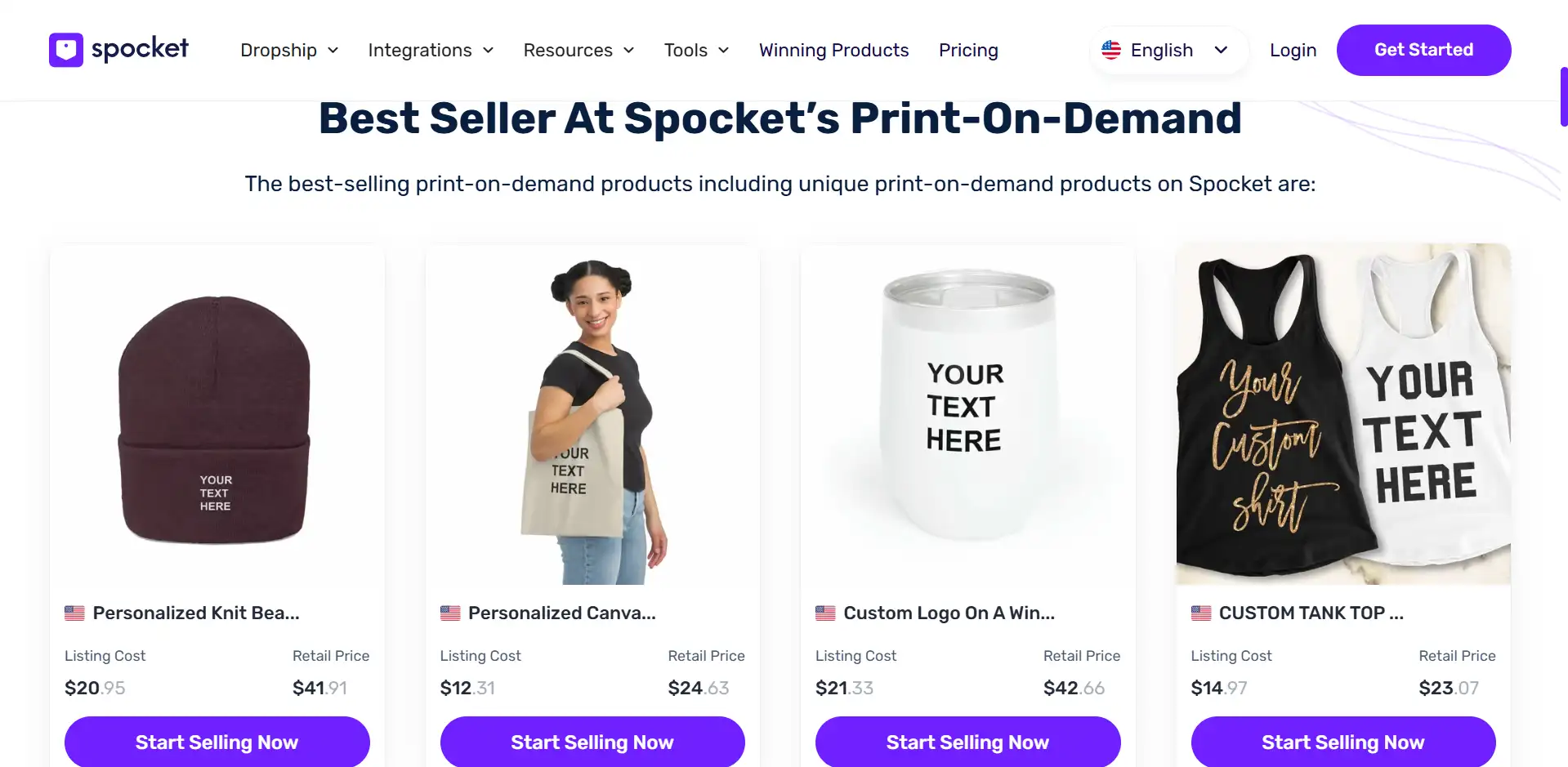
Spocket is a supplier marketplace for this model. You pick products from vetted suppliers, many based in the US and Europe, import them to Shopify, WooCommerce, Wix or another platform, and orders can be fulfilled automatically. Plans start at $39.99/month with a 7-day trial. If you're curious, try Spocket for 7 days and look at trending products to see what margins look like before you commit. Our guide on starting a dropshipping business with little money covers the low-budget route.
How to pick the right secret websites to make money
- Start with what you already have. Spare time points to research sites. An empty garage points to Neighbor. A camera roll points to Adobe Stock. A skill points to Fiverr.
- Estimate your hourly rate. Divide expected earnings by the hours you'll spend, including setup. Surveys rarely beat $10 an hour; skills and rentals often do.
- Check fees and payout minimums before you start. A site with a $25 minimum and slow payouts ties up your money longer than one that pays from $5.
- Use two or three sites, not ten. Stacking a research site, a rental and one selling platform gives you variety without spreading yourself thin.
- Track everything in a spreadsheet. Note date, platform, gross, fees and time. It shows which site is worth keeping and makes tax time easy.
Sites we left out, and why
A few names show up on almost every list of secret websites. We skipped them for specific reasons, not because they're scams.
- Points-based reward sites such as Swagbucks and InboxDollars pay for surveys, videos and games, but the effective hourly rate is usually lower than Prolific's floor, and many surveys screen you out after several minutes.
- Bandwidth-sharing apps pay a small amount for letting a company route internet traffic through your connection. That means other people's traffic appears to come from your IP address, which many users won't be comfortable with.
- Car-wrap advertising sites depend heavily on campaigns in your city. Availability is patchy, so they're hard to recommend as a plan.
How to spot fake secret websites to make money
The phrase "secret website" attracts scams. The US Federal Trade Commission's guidance on job scams lists the warning signs, and these are the ones that come up most with online earning sites:
- You're asked to pay to join, buy a "starter kit" or pay for access to higher-paying tasks.
- Pay is wildly above market, such as $50 for liking posts or $500 a day for "simple tasks".
- You're paid first, then asked to send part of the money back or buy gift cards.
- Your "earnings" grow in an app but can only be withdrawn after you deposit money.
- There's no company address, no help center and no clear payout terms.
Every site in this list publishes its fees and payout rules. If a site doesn't, skip it.
Do you pay tax on money from these websites?
In the US, yes. Income from side gigs, rentals and sales is generally taxable whether or not you receive a form. Payment platforms only have to send a Form 1099-K once your payments exceed $20,000 across more than 200 transactions, after the IRS confirmed the threshold reverted to that level. Selling personal items at a loss is different from profit, so keep records of what you originally paid. Outside the US, check your local tax authority's rules for side income.
Which secret website should you start with?
For quick, low-effort money, sign up for Prolific and Rakuten today. For bigger amounts from things you own, list a space on Neighbor or Peerspace. For income that can grow, sell digital products on Gumroad or Etsy, or build a store you control. If the store route appeals to you, see our guide to passive income ideas for more ways to build income that doesn't depend on your hours, or start a Spocket trial and pick your first products.
Start your dropshipping business today
Secret Websites to Make Money FAQs
What are secret websites to make money?
They're legitimate but lesser-known platforms that pay for your time, skills, belongings or space. Examples include Prolific and Respondent for paid research, Neighbor and Peerspace for renting space, Gumroad for selling digital files and Rakuten for cash back. They aren't hidden; they simply get less attention than big names like Amazon or Uber, so there's often less competition for the work.
Are secret money-making websites legit?
The ones in this guide are, because each publishes its fees, payout methods and minimums. Be cautious with any site that charges a joining fee, promises pay far above normal rates, asks you to deposit money before withdrawing, or pays you and then asks for some of it back. Those are classic signs of a job scam described by the FTC.
Which secret website pays the most?
Asset and skill-based sites pay the most. Turo, Peerspace and Neighbor can earn hundreds of dollars a month if you have the right car or space, and Respondent interviews can pay well for in-demand professionals. Survey-style sites like Google Opinion Rewards pay the least. Your own online store has the highest ceiling, but it also takes the most work and some upfront spending.
How much can you realistically earn from these websites?
Survey and testing sites usually add up to tens of dollars a month for casual use. Rentals depend on demand: a car earning $60 a day for 10 days a month on Turo's 80% plan would make $480 before costs. Selling skills or products has no fixed cap but varies widely. Track your hours to see your real hourly rate.
Can I use these websites outside the US?
Some of them. Prolific, Fiverr, Etsy, Gumroad and Adobe Stock accept users from many countries. Turo, Neighbor, Rakuten US and Google Opinion Rewards are limited to specific countries, and research studies are often restricted by location. Check each site's eligibility page before signing up.
Do I have to pay taxes on money from these sites?
In the US, side income is generally taxable even if you don't receive a tax form. Payment platforms only send Form 1099-K when payments exceed $20,000 across more than 200 transactions, but that threshold controls reporting, not whether you owe tax. Keep a simple record of earnings, fees and expenses for each platform.
Is dropshipping a better way to make money online than survey sites?
It's different. Survey and testing sites pay small amounts quickly with no setup. Dropshipping is a business: you build a store, choose products, spend on marketing and keep the margin on each sale. It can earn far more over time, but it isn't guaranteed and takes consistent effort. Many people start with gigs and move to a store later.


Launch your dropshipping business now!
Start free trial


Related blogs

Complete Guide to Making Money Using Gig Economy Apps
Discover the best gig work apps to make money fast. Compare top gig economy apps, daily pay options, and side hustle platforms that actually work.


Affiliate Marketing Without Website : Beginner's Guide
Learn how to start affiliate marketing without a website and earn passive income using social media, YouTube, email, and free traffic strategies.

Top Easy Side Jobs You Can Do While Working Full Time
Discover easy side jobs you can do while working full time. Flexible side hustle ideas to earn extra income online or from home.