What Does a Successful Dropshipping Store Look Like?
Discover what a top dropshipping store really looks like: key features, best-practice design, marketing metrics and real-world examples to build your own with Spocket.
.avif)

A successful dropshipping store in 2025 isn’t just about listing products — it’s about creating a brand that feels trustworthy, fast, and customer-focused. With eCommerce competition growing, the best dropshipping stores stand out through seamless design, reliable suppliers, and a smooth shopping experience that builds loyalty. Whether you’re exploring top dropshipping stores for inspiration or planning to start your own, understanding what drives their success can help you scale faster. In this guide, you’ll learn how profitable stores choose winning products, craft engaging websites, and master marketing strategies that convert. If you’re serious about building a thriving dropshipping business, this is your roadmap to doing it right from day one.
Why Success in a Dropshipping Store Is Different Today
The eCommerce world has evolved rapidly, and so has what defines a successful dropshipping store. In 2025, consumers expect more than just low prices — they want fast shipping, authentic branding, and personalized shopping experiences. The best dropshipping stores today focus on quality, transparency, and customer trust, not just volume or trends.
Shifts in the eCommerce Landscape & What That Means for Dropshipping
Modern shoppers are smarter and more selective. With AI-driven recommendations, faster logistics, and social media marketing, dropshipping stores must prioritize user experience and brand identity. Top performers now integrate automation tools, influencer partnerships, and niche targeting to stay ahead of competitors.
Distinguishing a “Real” Dropshipping Store vs. a Generic Online Store
A real dropshipping store feels like a brand — not just a marketplace. It features cohesive design, original product descriptions, high-quality images, and strong customer service. Unlike generic online stores that rely on random products, successful dropshipping businesses curate winning items that align with a specific niche and lifestyle.
Key Indicators of Success (Traffic, Conversions, Repeat Purchases, Brand Loyalty)
Success in a dropshipping store isn’t just about getting visitors — it’s about converting and retaining them. High traffic from organic search or social ads, strong conversion rates, and repeat buyers signal a thriving store. The top dropshipping stores also cultivate brand loyalty through personalized emails, social proof, and exceptional post-purchase experiences that turn one-time buyers into lifelong customers.
Core Elements of a Best-Dropshipping Store
Every successful dropshipping store is built on strong foundations — from smart product choices to stellar customer experiences. The best dropshipping stores master each element to create a reliable and profitable online business.
Niche Selection & Product Curation – How Top Dropshipping Stores Pick Winners
Choosing the right niche defines your success. The most profitable dropshipping stores focus on trending yet evergreen niches with passionate audiences — like fitness, beauty, or home décor. They analyze market demand, competition, and profit margins before adding a product. Curating high-quality items that solve real problems helps dropshipping businesses stand out and attract loyal customers.
Branding & Store Design – Giving Your Dropshipping Store a “Real-Brand” Feel
A powerful brand identity turns an ordinary dropshipping store into a trusted name. Consistent colors, clean layouts, and professional product images make your store feel authentic. The top dropshipping stores also use storytelling, clear value propositions, and engaging visuals to create emotional connections — making visitors remember the brand, not just the product.
Website User Experience & Conversion Path – Homepage, Product Pages, Checkout
Your website is your sales engine. A seamless dropshipping store design focuses on simplicity, fast loading, and intuitive navigation. From homepage banners to detailed product pages and frictionless checkout, every click should guide visitors toward purchase. Mobile responsiveness and clear CTAs are essential to boost conversions.
Trust & Credibility – Social Proof, Shipping Info, Returns, Customer Service
Consumers buy from stores they trust. The best dropshipping stores build credibility through verified reviews, customer photos, and clear policies. Displaying transparent shipping details, secure payment options, and a hassle-free return process creates confidence. Excellent customer support — fast replies and helpful responses — reinforces that trust.
Traffic & Marketing Strategy – SEO, Paid Media, Social, Influencer, Email
A great store is invisible without traffic. The top dropshipping stores use multi-channel marketing to drive consistent visitors — SEO for organic growth, paid ads for scale, and influencers for brand awareness. Email marketing nurtures relationships, while social media humanizes the brand and builds a loyal following that fuels repeat sales.
Supplier & Logistics Reliability – What the Best Dropshipping Stores Get Right
Behind every top-performing dropshipping business are reliable suppliers. Choosing trusted suppliers ensures product quality, accurate tracking, and fast shipping — all key to customer satisfaction. Platforms like Spocket make this easier by connecting stores with vetted US and EU suppliers for faster delivery and better control.
Data-Driven Growth and Scaling – How to Evolve a Dropshipping Store into a Repeatable Business
Growth comes from data, not guesswork. The best dropshipping stores monitor analytics — from conversion rates to customer lifetime value — to refine strategies. Testing ads, optimizing pages, and expanding product lines based on data help stores scale sustainably. Smart automation tools also streamline operations, allowing founders to focus on long-term brand building.
What Top Dropshipping Stores Look Like in Action
To understand what makes a successful dropshipping store, it’s essential to study brands that have already achieved consistent growth. The top dropshipping stores share similar traits — visually appealing designs, emotional branding, and a focus on customer satisfaction. Below is a detailed breakdown of five standout stores and what sets them apart.
Example Breakdown of Successful Stores (with Mini Case Studies)
1. Inspire Uplift
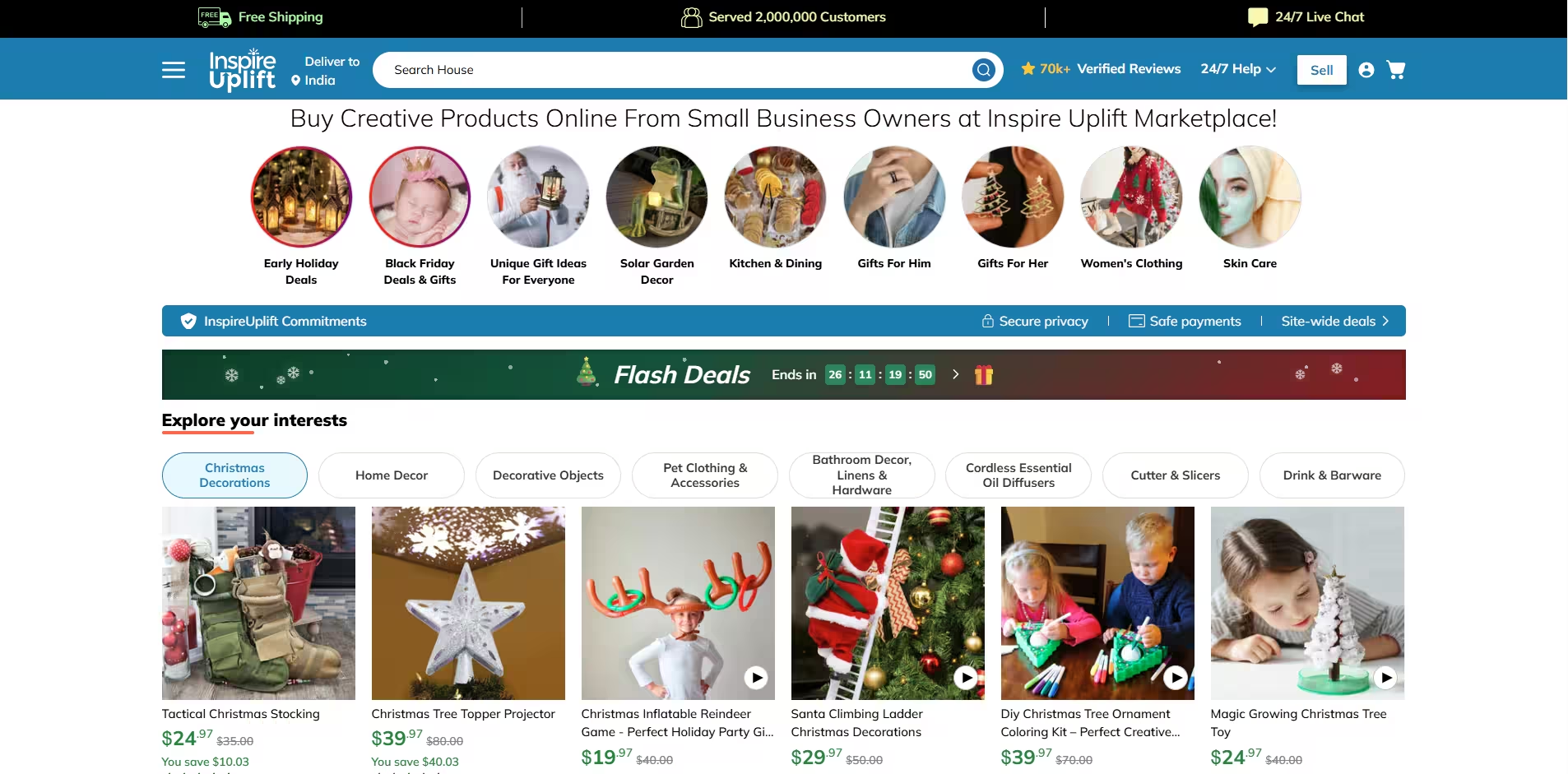
Niche: Multi-category lifestyle products
Design Elements: Inspire Uplift features a clean, user-friendly layout with a white background that allows colorful product images to stand out. The homepage highlights trending items and testimonials, while the navigation bar is straightforward, making product discovery seamless. Product pages include multiple images, engaging copy, and video demos that build trust.
Strengths: Strong social media presence, relatable product content, and transparent return and shipping policies. Its combination of high-quality visuals and emotionally appealing storytelling makes it one of the best dropshipping stores for inspiration.
2. Warmly
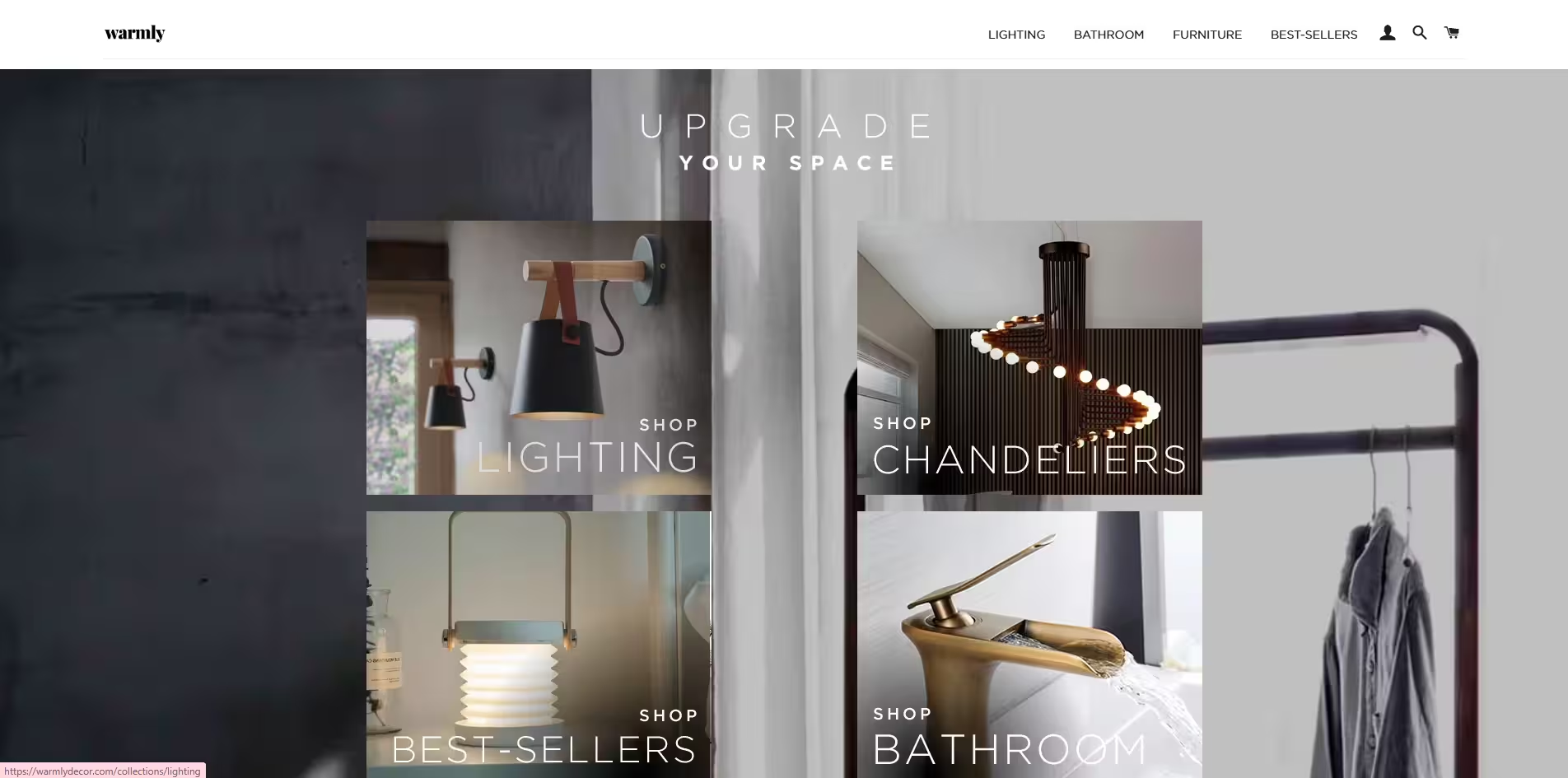
Niche: Home décor and lighting
Design Elements: Warmly adopts a minimalist, elegant design consistent with its niche. It uses warm color tones, spacious layouts, and premium lifestyle photography to evoke sophistication. The typography is clean, and the product grid layout enhances visual browsing. The overall store design mirrors a high-end boutique experience.
Strengths: Exceptional visual consistency, curated product collections, and fast-loading pages. The store feels premium, proving that the right aesthetic can elevate any dropshipping business.
3. Notebook Therapy
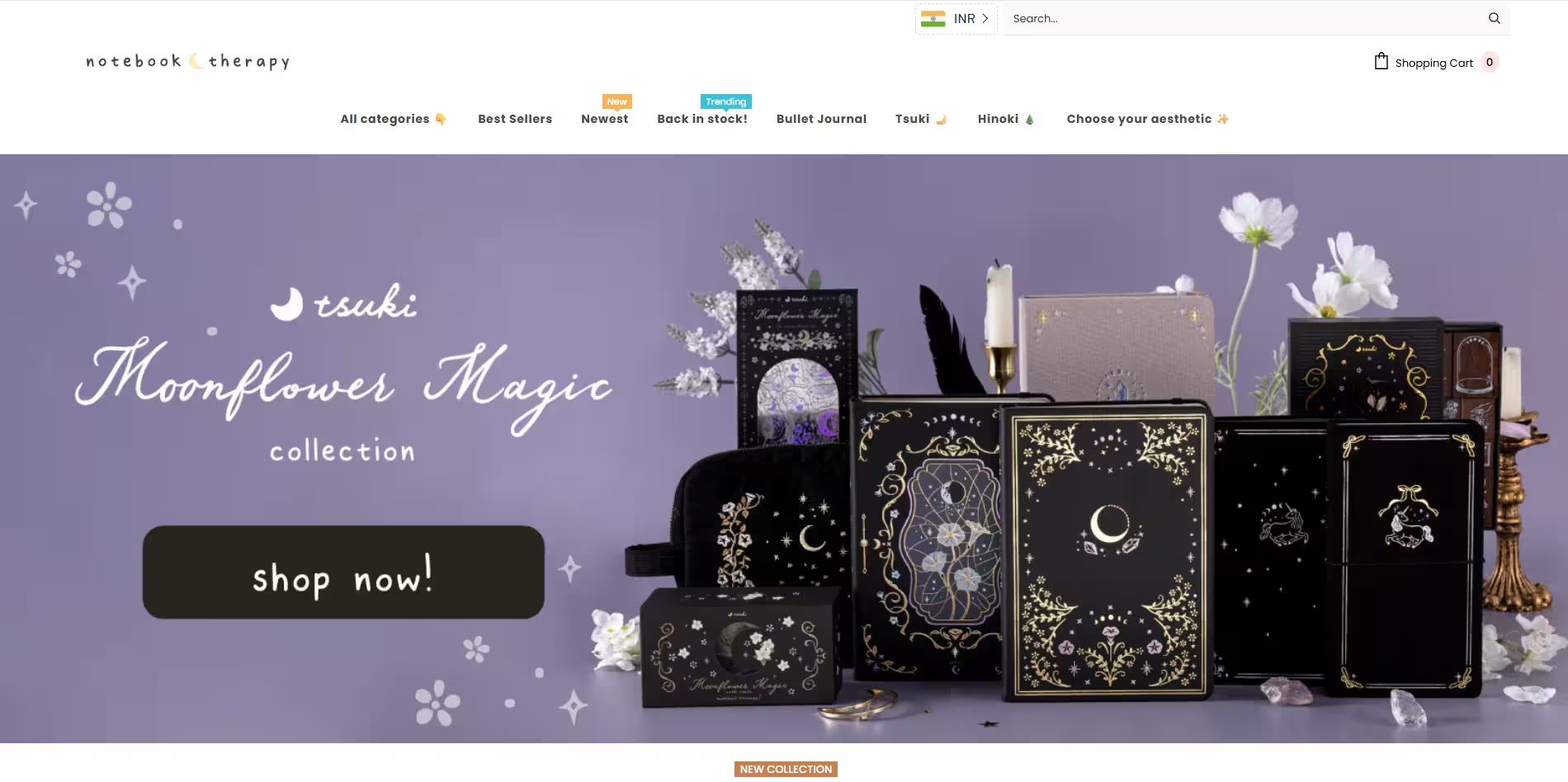
Niche: Stationery and journaling accessories
Design Elements: Notebook Therapy’s design is soft and cozy, with pastel color palettes and artistic imagery that resonates with creative users. The store uses a minimalist header, visual storytelling through user-generated photos, and clutter-free product pages. Its blog and Instagram integration strengthen the emotional connection with its audience.
Strengths: Strong brand personality, active community engagement, and authentic marketing. The website’s calm and focused design encourages longer browsing sessions, leading to higher conversions.
4. Bluecrate(My Luxurious Home)
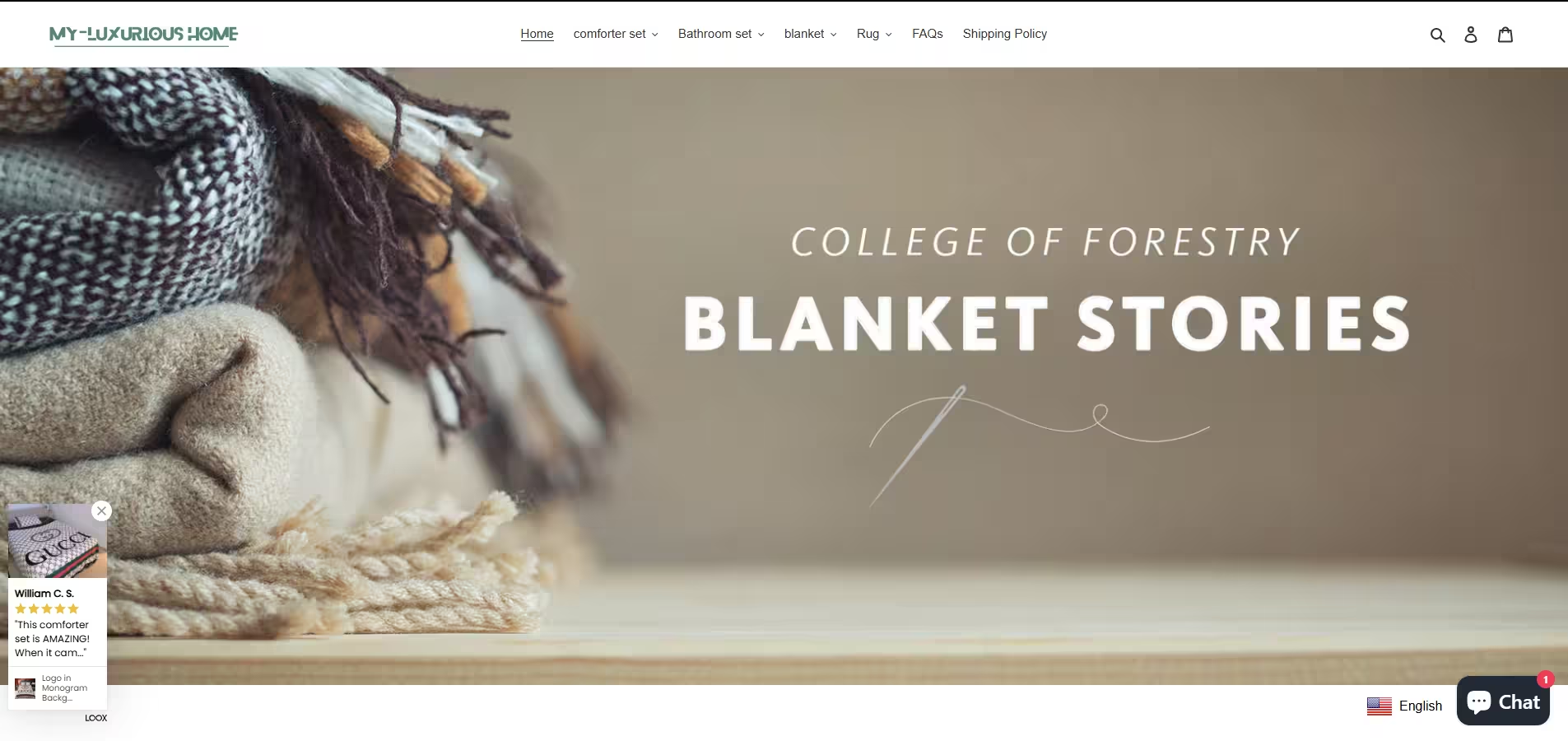
Niche: Personalized and novelty gifts
Design Elements: Bluecrate’s design is vibrant, playful, and interactive. Bold fonts, bright colors, and custom animations enhance the shopping experience. Product pages feature personalization options, dynamic previews, and concise yet funny descriptions that match the brand tone. Its quirky identity is consistent across ads, website, and social media.
Strengths: Strong visual identity, personalized shopping experience, and viral social marketing. Bluecrate effectively turns humor into a conversion strategy, setting it apart from generic dropshipping stores.
5. Meowingtons
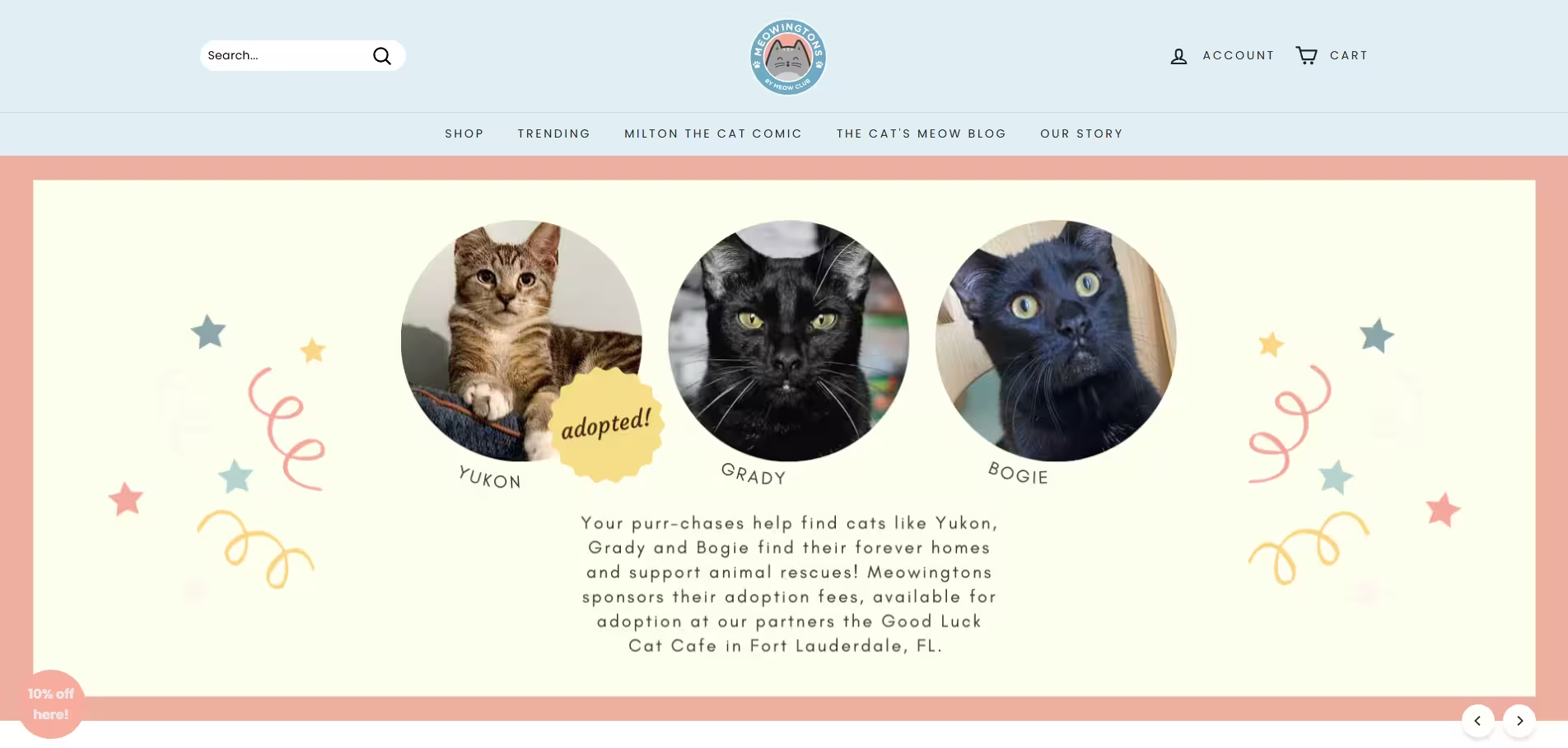
Niche: Cat-themed apparel and accessories
Design Elements: Meowingtons perfectly blends functionality with personality. It uses a clean white and pastel design palette complemented by adorable cat illustrations. The navigation is intuitive, and the product photography feels lifestyle-driven rather than catalog-like. The blog adds depth to the brand, while consistent visuals across pages maintain professionalism.
Strengths: Niche authenticity, consistent branding, educational content, and responsive customer service. Meowingtons proves how emotional connection and community building can make a dropshipping store thrive.
Common Traits Across the Best Dropshipping Stores You’ll Find Today
The top dropshipping stores share consistent characteristics that help them stand out in a crowded market:
- Defined niche focus: They serve specific audiences with passion-driven products.
- Professional design: Clean layouts, high-quality images, and intuitive navigation enhance trust.
- Authentic branding: Emotional storytelling and consistent visuals make stores memorable.
- Transparency: Clear shipping, returns, and pricing policies remove buyer hesitation.
- Engaged marketing: They leverage SEO, social media, influencers, and email campaigns for steady traffic.
- Customer-first approach: Fast response times and personalized experiences boost loyalty.
Mistakes to Avoid – How Weak Dropshipping Stores Reveal Themselves
Many dropshipping stores fail not due to lack of effort, but because of poor execution. Here are the most common mistakes and how to fix them:
- Generic Design and Layout – Overcrowded pages and inconsistent branding make the store look untrustworthy.
How to Avoid: Use a consistent color scheme, readable fonts, and clean layouts to create a professional appearance. - Low-Quality Product Images and Copied Descriptions – Stock photos and duplicate content reduce credibility.
How to Avoid: Use high-resolution images, unique angles, and rewrite descriptions to highlight product benefits. - Weak Branding – Selling random products without a theme confuses customers.
How to Avoid: Establish a cohesive brand story, logo, and tone that reflect your niche and audience. - Unreliable Suppliers – Late deliveries and poor product quality destroy reputation.
How to Avoid: Work with vetted suppliers through Spocket for fast US/EU shipping and consistent product standards. - Ignoring SEO and Marketing – Without visibility, even great stores struggle.
How to Avoid: Optimize titles, meta descriptions, and blog content for keywords like “dropshipping store” and “top dropshipping stores.” - Poor Customer Support – Slow replies and unclear policies lead to negative reviews.
How to Avoid: Offer responsive, helpful customer service through chat, email, or social media.
By studying these top dropshipping stores and learning from common pitfalls, you can build a professional, trustworthy brand that delivers consistent sales and long-term growth.
Behind the Scenes: Metrics & Benchmarks
Understanding what drives a successful dropshipping store goes beyond design and marketing — it’s about numbers. The best dropshipping stores constantly track performance metrics to fine-tune their strategies. These benchmarks help identify what’s working, what needs improvement, and how to achieve consistent growth.
What Conversion Rates, Average Order Values, and Traffic Volumes Look Like for Best Dropshipping Stores
A thriving dropshipping store typically converts around 2% to 4% of its visitors into paying customers, depending on the niche and product pricing. Premium stores with strong branding and trust signals can reach conversion rates as high as 5% or more.
The average order value (AOV) often ranges between $60 and $120, depending on upselling and product bundling strategies. Stores that offer complementary products or free shipping thresholds usually see higher AOVs.
When it comes to traffic volume, the top dropshipping stores attract anywhere from 50,000 to 500,000+ monthly visitors, sourced from a mix of SEO, social media ads, and influencer collaborations. However, what matters more than total traffic is the quality of that traffic — engaged visitors are far more likely to convert than random clicks.
Key Performance Indicators You Should Monitor in Your Dropshipping Store
Running a profitable dropshipping business means keeping an eye on the right numbers. Here are the most important KPIs to track:
- Conversion Rate (CR): Measures how many visitors make a purchase. A healthy target is 2% or higher.
- Average Order Value (AOV): Helps identify revenue potential per customer. Boost this through bundles or upsells.
- Customer Acquisition Cost (CAC): The total cost of acquiring one paying customer — including ads, tools, and marketing.
- Customer Lifetime Value (CLV): Indicates how much revenue a customer generates over time. Strong stores maintain a CLV higher than 3× their CAC.
- Cart Abandonment Rate: A key area for optimization — anything above 70% suggests checkout friction.
- Return Rate: Keep this below 5–10% by ensuring product quality and clear descriptions.
- Profit Margins: After costs, top dropshipping stores maintain 20–40% margins through smart pricing and supplier negotiation.
Tracking these KPIs allows store owners to refine operations, improve profitability, and build data-driven growth strategies.
How to Set Realistic Goals for Your Own Dropshipping Store
Every dropshipping store starts small, and success comes from setting achievable, measurable goals. Instead of aiming for immediate six-figure sales, focus on consistent progress:
- Start with Performance Benchmarks: Aim for 1–2% conversions in the early stages and gradually optimize toward 3–5%.
- Grow Traffic Organically: Build SEO-focused blogs, use Pinterest or TikTok marketing, and leverage paid ads strategically.
- Increase AOV Over Time: Introduce product bundles, cross-sells, and loyalty discounts to encourage bigger purchases.
- Lower CAC by Improving Retention: Use email marketing and retargeting campaigns to turn one-time buyers into repeat customers.
- Focus on Quality Over Quantity: Partner with trusted suppliers like Spocket to ensure faster shipping and higher customer satisfaction.
By aligning goals with these measurable targets, your dropshipping business can scale steadily while maintaining profitability. Success isn’t about overnight results — it’s about building sustainable systems that grow with your brand.
Building Your Own Successful Dropshipping Store (Step-by-Step)
Creating a successful dropshipping store takes more than just listing products — it’s about building a brand that connects with your audience, delivers value, and grows sustainably. Below is a detailed step-by-step guide that covers everything from niche selection to scaling your dropshipping business for long-term success.
Step 1: Define Your Niche and Target Audience
Every profitable dropshipping store starts with a well-defined niche. Instead of selling everything, focus on a specific market segment — for example, eco-friendly home décor, pet accessories, or tech gadgets. A focused niche helps you attract the right audience, position yourself as an expert, and reduce competition.
Research trending products, analyze Google Trends data, and identify audience pain points. Study competitors to understand what’s working and where the gaps lie. The best dropshipping stores target emotionally driven niches — where customers buy because of interest, lifestyle, or identity. Knowing who you’re selling to makes product selection and marketing far more effective.
Step 2: Set Up Store Design, Branding, and UX
Your dropshipping store design should reflect professionalism, trust, and consistency. Visitors form opinions within seconds — so ensure your homepage, product pages, and checkout are clean, fast, and mobile-friendly.
Use a simple layout with intuitive navigation, bold CTAs, and high-quality visuals. Choose a color palette and font that match your brand identity. The top dropshipping stores also create strong emotional appeal through compelling product descriptions, branded imagery, and trust badges.
Think of your website as a digital storefront — every design element, from logo to typography, should make the shopping experience enjoyable and credible.
Step 3: Source Products via Spocket + Choose Reliable Suppliers
Your suppliers determine your success. Poor product quality or slow shipping can ruin even the most beautiful dropshipping store. That’s where Spocket comes in — a trusted platform that connects you with verified US and EU suppliers, ensuring faster delivery times, better quality control, and higher customer satisfaction.
With Spocket, you can easily import products to your Shopify or WooCommerce store in one click, set custom pricing, and automate order fulfillment. Choosing reliable suppliers through Spocket helps build brand credibility, minimizes refunds, and creates a smooth post-purchase experience — crucial factors behind the best dropshipping stores today.
Step 4: Drive Traffic and Convert (Marketing Tactics)
Once your store is live, the next step is bringing in targeted traffic. Use a mix of organic and paid marketing strategies:
- SEO: Optimize product titles, descriptions, and blogs with keywords like “dropshipping store,” “best dropshipping products,” and “top dropshipping store.”
- Social Media Marketing: Build brand awareness through Instagram, TikTok, and Pinterest. Create engaging visuals, run giveaways, and post product demos.
- Paid Ads: Leverage Facebook Ads and Google Ads to target niche audiences.
- Email Marketing: Send newsletters, abandoned cart reminders, and exclusive discounts to build retention.
- Influencer Collaborations: Partner with creators who can authentically showcase your products.
The goal isn’t just traffic — it’s qualified visitors who trust your brand enough to buy.
Step 5: Optimize, Scale, and Build Customer Loyalty
After your dropshipping store starts generating sales, focus on optimizing and scaling sustainably. Analyze conversion data, identify best-selling products, and double down on high-performing marketing channels.
Implement upsells and bundles to increase your average order value. Encourage repeat purchases with loyalty programs, subscription models, or exclusive discounts. Gather customer feedback regularly and use it to refine your offerings.
Most importantly, nurture relationships — send personalized thank-you emails, respond quickly to queries, and maintain transparent communication. The top dropshipping stores grow because they value customer trust as much as revenue.
Scaling your dropshipping business isn’t about adding more products — it’s about building a brand that keeps customers coming back. With consistent optimization and reliable partnerships through Spocket, your store can move from startup to long-term success.
Conclusion
A truly successful dropshipping store combines strategy, design, and customer trust. From choosing a focused niche and building a strong brand to partnering with reliable suppliers and optimizing for conversions, every element plays a vital role in long-term success. The best dropshipping stores stand out by delivering quality, authenticity, and a seamless shopping experience. With smart marketing, data-driven decisions, and exceptional service, your store can achieve sustainable growth. Start your journey today — build your dream dropshipping store and source winning products effortlessly with Spocket, your trusted partner for success.
Start your dropshipping business today
FAQs about Building Successful Dropshipping Stores
Is the dropshipping model still viable?
Yes, the dropshipping model remains highly viable in 2025. With the right niche, reliable suppliers, and strong branding, entrepreneurs can build profitable stores by focusing on customer experience, quality products, and smart marketing strategies.
Can a dropshipping store become a “real brand”?
Absolutely. A dropshipping store can evolve into a real brand by maintaining consistent visuals, storytelling, quality products, and reliable service — transforming it from a generic shop into a trusted online destination customers love.
How much does it cost to build a successful dropshipping store?
Building a dropshipping store typically costs between $300 and $1,000, including platform fees, domain, marketing, and product testing. With strategic planning, entrepreneurs can start small and scale as profits grow.
What niches are saturated vs still growth-friendly?
Saturated niches include electronics and generic fashion, while growth-friendly niches for dropshipping stores are pet accessories, eco-friendly goods, home décor, and self-care products — areas with emotional appeal and rising consumer demand.
How do you handle shipping times, returns, and customer service in a dropshipping store?
Partner with trusted suppliers like Spocket for fast US/EU shipping and quality control. Provide transparent return policies, clear communication, and responsive customer service to build trust and retain long-term buyers.
How successful are dropshipping stores?
Many dropshipping stores achieve significant success when backed by strong branding, consistent marketing, and reliable fulfillment. The top performers generate six to seven figures annually through optimized operations and customer loyalty.
How does a dropshipping store look?
A successful dropshipping store features a clean, mobile-friendly design with high-quality visuals, clear product descriptions, transparent policies, and smooth navigation — creating an experience that mirrors a professional online retail brand.
What is the most profitable item to dropship?
The most profitable dropshipping products are those with strong emotional appeal and steady demand, such as fitness accessories, pet products, eco-friendly items, and personalized gifts that connect deeply with consumers.


Launch your dropshipping business now!
Start free trial


Blogs relacionados
Diretório de Fornecedores de Dropshipping: Onde Encontrar Fornecedores Verificados
Navegue pelo nosso diretório de fornecedores de dropshipping verificados nos EUA e na UE, com informações sobre nichos, velocidade de envio e preços. Comece seu teste gratuito hoje mesmo.

Como negociar com fornecedores de dropshipping: 9 táticas que realmente funcionam
Aprenda a negociar preços, pedidos mínimos (MOQs) e prazos de pagamento com fornecedores de dropshipping. Táticas comprovadas e modelos de e-mail para aumentar suas margens. Experimente o Spocket gratuitamente.

Melhores fornecedores de dropshipping de roupas: O guia de 2026
Compare os melhores fornecedores de dropshipping de roupas para 2026 — prazos de entrega nos EUA/UE, preços e qualidade dos produtos — e encontre a opção ideal para lançar sua loja.